🧗 Keep Climbing: Via Ferrata in the U.S.

What Is a Via Ferrata?
The term via ferrata translates from Italian as “iron path.” Originating in the Dolomites during World War I, these routes were built with steel cables and ladders to help troops move through rugged terrain. Today, they’ve evolved into recreational adventures that combine hiking, climbing, and mountaineering.

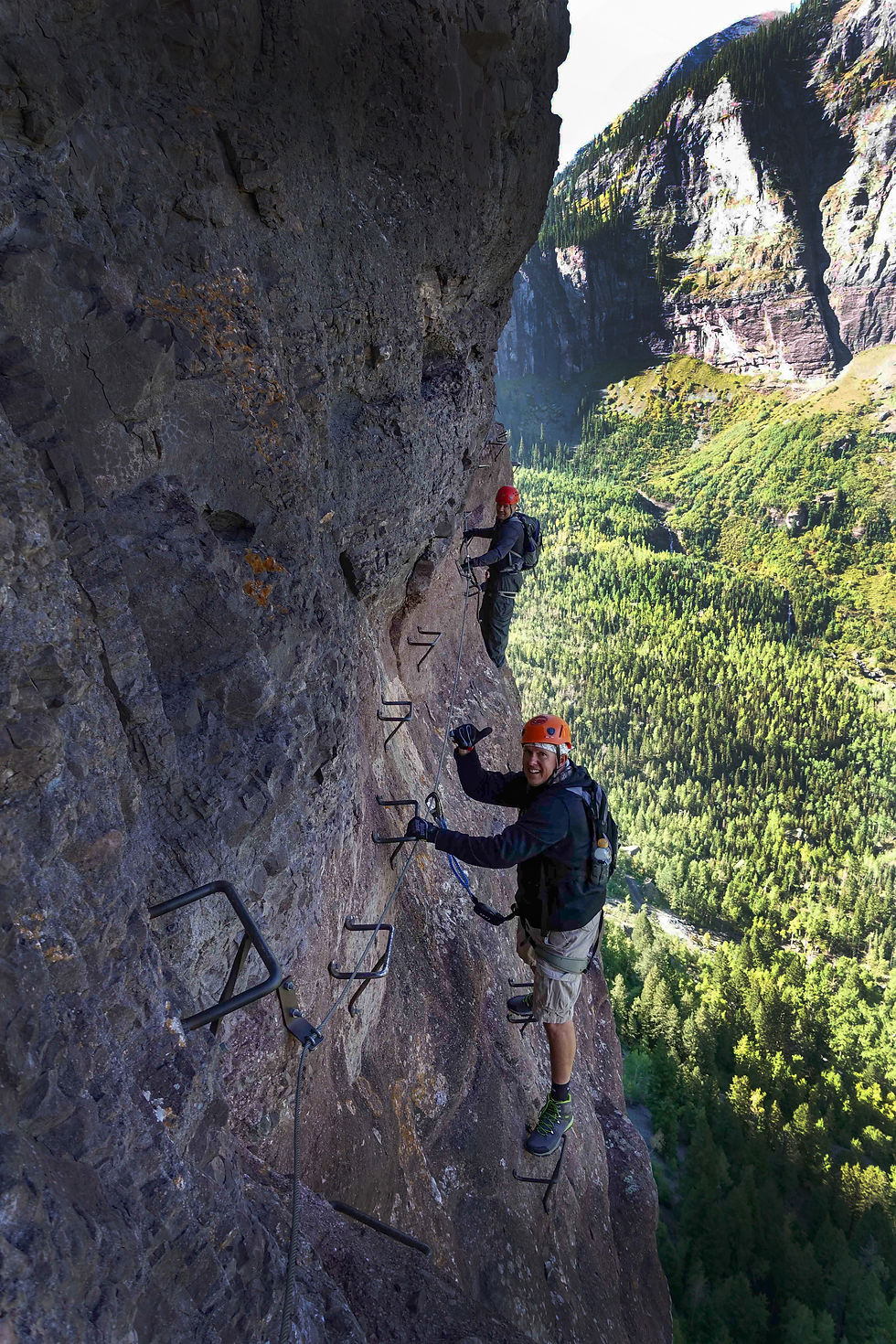
A via ferrata route typically features steel cables, iron rungs, and ladders bolted into rock faces. Climbers clip into the cable with specialized gear, allowing them to traverse steep cliffs safely without needing advanced climbing skills. It’s a way to experience vertical exposure and breathtaking views without being Alex Honnold-level elite.
Rising Popularity in the U.S.
While via ferratas have long been popular in Europe, they’re now spreading across the United States. Resorts and adventure companies in Colorado, Utah, California, and New York have introduced courses ranging from beginner-friendly family routes to challenging alpine traverses.
The appeal is clear:
Accessibility: You don’t need years of climbing experience to try one.
Adventure tourism: Mountain towns are adding via ferratas to attract visitors.
Community: Families, groups, and solo adventurers can all participate.
As more Americans seek outdoor thrills that balance safety with adrenaline, via ferratas are becoming a go-to option.
Essential Equipment for Via Ferrata
Safety is non-negotiable. Here’s the gear you’ll need:
Via ferrata kit: Includes two carabiners on elastic lanyards connected to an energy absorber. This system clips you to the cable and reduces impact forces in case of a fall.
Climbing harness: A secure waist and leg loop harness to attach your kit.
Helmet: Protects against falling rocks and bumps against the wall.
Gloves: Improve grip on steel rungs and prevent blisters.
Sturdy footwear: Hiking or mountaineering boots with good traction for rocky terrain.
Optional extras include a resting loop for breaks, and lightweight layers depending on altitude and weather.

Risks & Considerations
Training: Beginners should consider going with a guide for their first route.
Equipment standards: Always ensure gear meets certification standards.
Weight limits: Kits are designed for specific ranges—check compatibility before use.
Environment: Respect Leave No Trace principles; via ferratas are built into fragile landscapes.
Top Via Ferratas in the U.S.
Here are some standout routes worth exploring:
Mammoth Mountain, California – Scenic alpine climbing with sweeping Sierra views.
Royal Gorge Bridge, Colorado – Dramatic exposure above one of the deepest canyons in North America.
Telluride, Colorado – Iconic San Juan Mountains route with breathtaking vistas.
Tahoe Via Ferrata, California – Family‑friendly climbs at Squaw Valley.
Jackson Hole, Wyoming – Six routes ranging from beginner to advanced, overlooking the Tetons.
Torrent Falls, Kentucky – Historic Red River Gorge course, one of the first in the U.S.
Nelson Rocks, West Virginia – Famous for its suspension bridge and dramatic sandstone fins.
Taos Ski Valley, New Mexico – High‑altitude climbing in Wheeler Peak Wilderness.
Box Canyon, Ouray Colorado – Built into the dramatic cliffs of the Uncompahgre Gorge
Lasting Impression
Via ferratas are transforming outdoor adventure in the U.S.—offering a thrilling yet approachable way to climb cliffs, cross airy traverses, and soak in mountain views. With the right gear and mindset, you can step onto the “iron path” and discover a whole new dimension of exploration.